
The Allure of Gambling: Instant Gratification
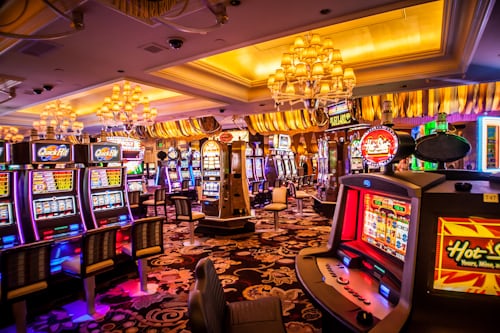
The psychology behind casino gambling behavior is intricately tied to the concept of instant gratification. Individuals are often drawn to gambling because it offers immediate rewards and the possibility of significant wins. In a casino environment, the bright lights, sounds of winning, and the overall ambiance create an exhilarating atmosphere, which sometimes leads players to seek out places where they can enjoy various games, including options at a crypto casino no verification. This stimulation can trigger dopamine releases in the brain, similar to the effects of certain addictive substances. As such, the excitement of potentially winning a large sum of money can overshadow the rational consideration of the risks involved.
Moreover, the idea of winning often motivates individuals to gamble despite the odds being stacked against them. Gamblers may find themselves in a state of “chasing losses,” placing more bets in hopes of recouping previous losses. This behavior reflects a cognitive bias where individuals believe they can overcome negative outcomes with persistence, leading to a cycle of gambling that can be difficult to break.
The Role of Cognitive Biases in Gambling Decisions
Cognitive biases play a significant role in shaping gambling behaviors. One common bias is the illusion of control, where gamblers mistakenly believe they have influence over random events, such as the roll of dice or the spin of a wheel. This false sense of control can encourage more gambling, as individuals feel empowered to make choices that they believe will lead to better outcomes.
Additionally, the gambler’s fallacy is prevalent among many players. This is the belief that past outcomes can influence future results in games of chance. For example, if a player observes that a particular number has not come up in a while, they may be convinced that the number is “due” to win. Such misconceptions can lead to irrational betting patterns and increased gambling behavior, reflecting the complex interplay of psychology and decision-making in casinos.
The Social Aspects of Gambling Behavior
Gambling is not only an individual activity but also a social one. The social environment of a casino can enhance the experience, making it more appealing for certain individuals. The community aspect of gambling, where people engage with friends or strangers, fosters a sense of belonging and shared experience. This social interaction can be a strong motivator for people to partake in gambling activities, often outweighing the potential financial risks involved.
Furthermore, the social acceptance of gambling in many cultures contributes to its prevalence. When people see peers or family members actively participating in gambling, they may feel more inclined to join in, perceiving it as a normal recreational activity. This normalization can lead to a wider acceptance of gambling behaviors, making it an integral part of social gatherings and celebrations.
The Psychological Impact of Winning and Losing
The emotional highs and lows associated with gambling can have profound psychological impacts. Winning can lead to feelings of euphoria, increased self-esteem, and a strong desire to continue gambling, as players seek to replicate the thrill of their victory. However, the flipside is the emotional toll of losing, which can result in feelings of regret, depression, and anxiety. These contrasting emotions can keep gamblers returning to casinos in hopes of experiencing the euphoric highs again, despite the potential for financial and emotional distress.
Moreover, the variability of outcomes in gambling can lead to a phenomenon known as “loss aversion,” where the pain of losing is often felt more intensely than the pleasure of winning. This psychological concept can trap individuals in a cycle of gambling, as they strive to avoid the negative feelings associated with losses while chasing the fleeting positive emotions from wins.

Understanding Casino Dynamics: The Business of Gambling
The casino environment is meticulously designed to encourage gambling behaviors among patrons. From strategically placed slot machines to the layout of table games, casinos create spaces that maximize player engagement and spending. This design taps into psychological triggers, such as the aforementioned instant gratification and social interaction, making it easy for individuals to lose track of time and money.
Furthermore, casinos often employ various tactics, such as complimentary drinks and loyalty programs, to foster a sense of reward and encourage repeat visits. This creates a cycle where the gambler feels valued and more inclined to return, often leading to prolonged gambling sessions and increased financial risks. Understanding these dynamics is crucial for both casino operators and players to navigate the complex world of gambling responsibly.