
The Allure of High-Stakes Gambling
High-stakes casino games attract players with the promise of significant monetary rewards and the thrill of intense competition. The allure lies not only in the potential to win but also in the atmosphere of excitement that permeates high-stakes environments. Players often feel a rush of adrenaline as they place large bets, pushing the boundaries of their financial comfort zones. This sense of thrill can lead to a unique psychological experience where the line between rational decision-making and emotional impulses becomes blurred. As a part of this experience, many players explore options at online casino australia, thus adding another layer to their gaming journey.
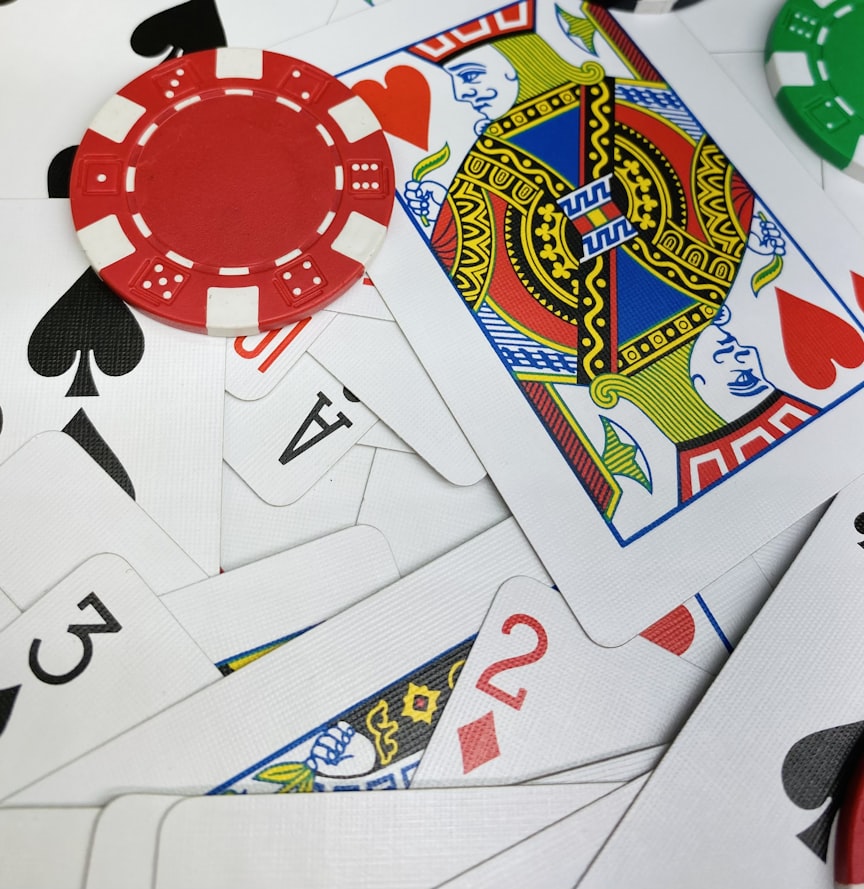
Moreover, the social environment in high-stakes games enhances this allure. Players engage with others who share similar aspirations, creating a sense of camaraderie and competition. This social aspect further heightens the emotional stakes, as individuals are not only motivated by personal gain but also by the desire to impress peers and to feel part of a prestigious gaming community. The combination of risk, reward, and social interaction can be irresistibly enticing. The broad appeal of high-stakes environments can lead one to discover various offerings in the market.
The Role of Risk and Reward
Psychologically, high-stakes games are compelling due to the inherent risk-reward dynamics. The prospect of winning large sums of money triggers the brain’s reward system, releasing dopamine and creating feelings of pleasure and excitement. This biological response encourages players to seek out riskier bets, reinforcing the behavior even when the odds may not be in their favor. Consequently, the anticipation of a potential win can outweigh the fear of loss, prompting players to gamble more aggressively, often influenced by external factors.
Additionally, the perception of risk can be skewed in the context of high-stakes gambling. Players often exhibit cognitive biases, such as the illusion of control, where they believe they can influence the outcome of a game through skill or strategy. This mindset can lead to an overestimation of their abilities and results in increased gambling behavior, as individuals convince themselves that they are more likely to win than they actually are. Understanding these psychological mechanisms is crucial for comprehending why players continue to engage in high-stakes games despite the potential for significant losses.
High-stakes casino games engender a profound emotional investment from players. The financial implications are substantial, meaning that every decision carries immense weight. This emotional stake can cloud judgment, leading individuals to make impulsive choices influenced by their current emotional state rather than logical reasoning. Players may chase losses or continue betting in an attempt to regain lost money, a phenomenon often referred to as the “gambler’s fallacy,” which can manifest in various ways that distort their perception.
Additionally, the emotional rollercoaster associated with high-stakes gambling can further complicate decision-making. Players experience a wide range of emotions, from euphoria during wins to despair with losses, which can influence future gambling sessions. Understanding the impacts of these emotions is vital for grasping the psychological landscape of high-stakes gambling and how it affects both short-term behavior and long-term gambling patterns.
The Impact of Environment and Design
The physical design of casinos and their environments plays a significant role in the psychology of high-stakes gambling. Casinos are strategically designed to create a sense of excitement and disorientation. Bright lights, loud noises, and the lack of clocks or windows all contribute to a sensory overload that can alter players’ perceptions of time and reality. This design encourages prolonged gambling sessions, as players become absorbed in the experience and lose track of their surroundings. The overall atmosphere can make high-stakes areas even more captivating for those involved.
Moreover, high-stakes areas within casinos often feature luxurious amenities and personalized services that cater to the elite gambler. This exclusivity reinforces feelings of status and prestige among players, creating a feedback loop where individuals are drawn to these environments to further enhance their social standing and emotional high. The combination of an inviting atmosphere and social validation significantly impacts the player’s psychology, making high-stakes gambling even more appealing.
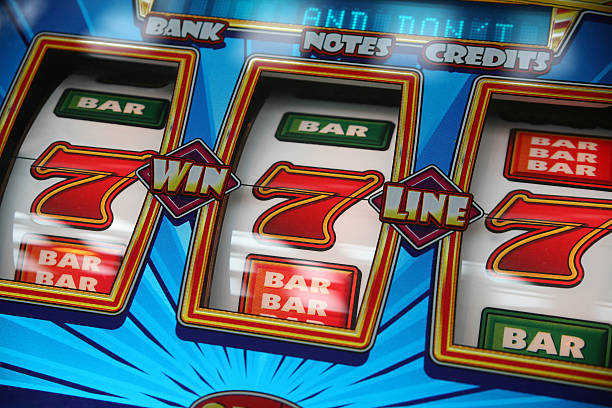
Understanding Safe Gambling Practices
As the psychological allure of high-stakes casino games continues to captivate many, it is essential to emphasize responsible gambling practices. Understanding the psychological effects of gambling is crucial for individuals looking to enjoy their experiences without falling into harmful patterns. Resources and tools for self-assessment, setting limits, and taking breaks can empower players to remain in control of their gambling habits.
It is important for individuals to recognize the signs of problematic gambling and seek assistance when necessary. Websites dedicated to promoting safe gambling, like Hughcairns.com.au, emphasize the importance of a secure environment for players. With a focus on user satisfaction and security, these platforms aim to create informed and responsible gaming experiences, which are crucial for maintaining a healthy balance in the world of gambling.